


 Cléo
Apartment for rent in Limoilou: neighbourhood guide.
North of the Rivière Saint-Charles. 3e Avenue is its commercial artery.
The neighbourhood at a glance
2016 census75.8%
of Vieux-Limoilou residents were tenants at the 2016 census.
Lower Town, north of the Rivière Saint-Charles.
The profile- BoroughLa Cité-Limoilou
- Landmarks3e AvenueRivière Saint-Charles · ExpoCité.
- 1535Jacques Cartier lands near the Rivière Saint-Charles1931: 25,795 residents.
Life in Limoilou
The atmosphere
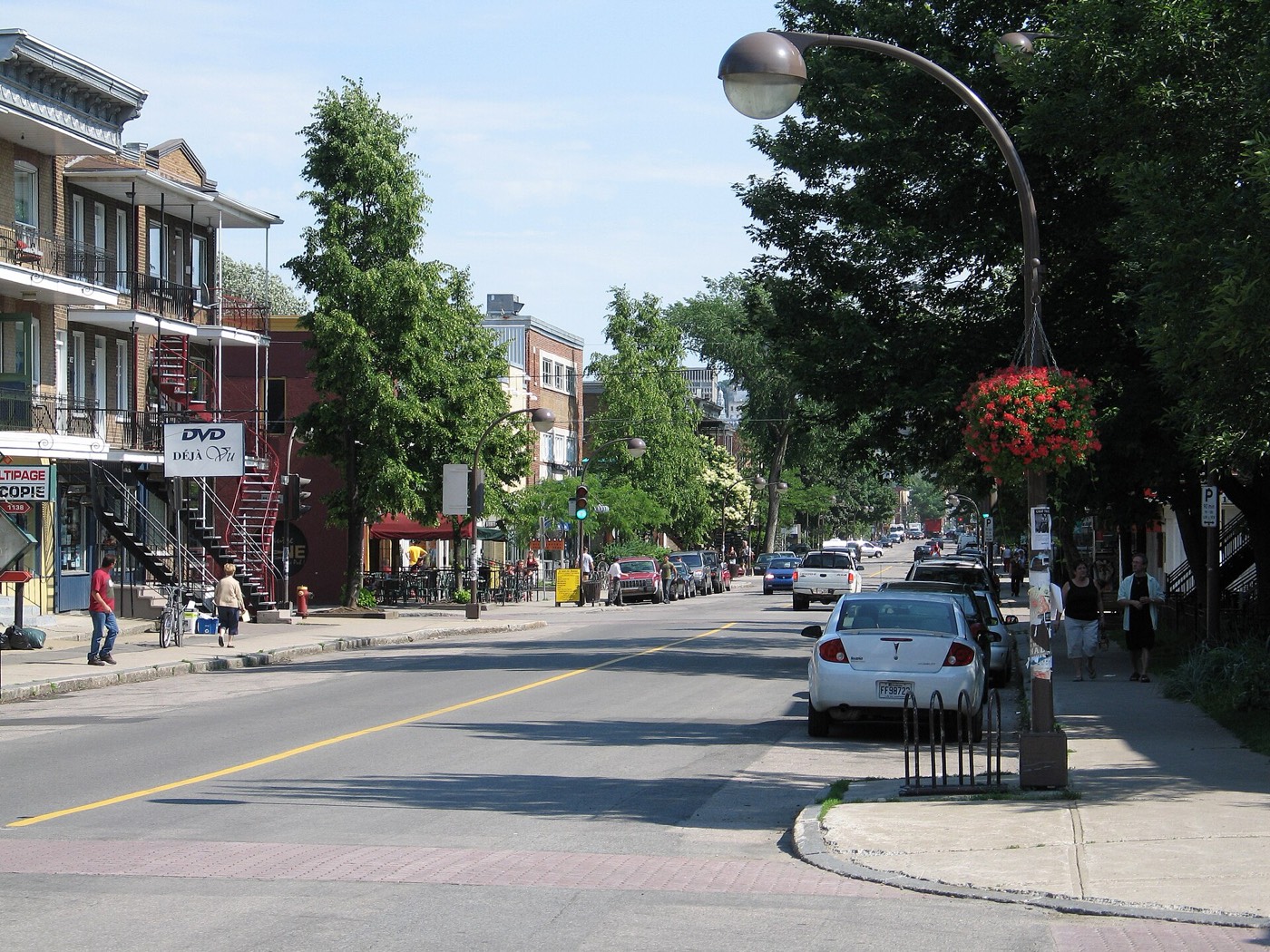
A lively, family-friendly neighbourhood, popular with young professionals. Cafés, restaurants and local shops are concentrated on 3e Avenue.
Neighbourhood profile
Renting an apartment in Limoilou.
Vieux-Limoilou is bounded by the Rivière Saint-Charles to the south, Boulevard Wilfrid-Hamel, Avenue Eugène-Lamontagne and 18e Rue to the north, and the Laurentienne highway to the west. Its grid plan is crossed from north to south by 1re Avenue; 3e Avenue is its commercial artery, with its cafés, restaurants and boutiques.
It is a tenant neighbourhood: at the 2016 census, 75.8% of its residents were tenants. It has the main campus of Cégep Limoilou, the Cartier-Brébeuf National Historic Site, the École de cirque de Québec and neighbourhood events such as the Envol et Macadam festival.
Housing
Mostly plexes with outdoor staircases, typical of Québec City, and 4 ½ and 5 ½ units on grid streets that are easy to navigate.
Nearby
Cartier-Brébeuf National Historic Site · Domaine de Maizerets · Hôpital de l’Enfant-Jésus
Good to know
Parking is often on the street. Check whether the street is covered by the City’s resident parking permit.
Tenants
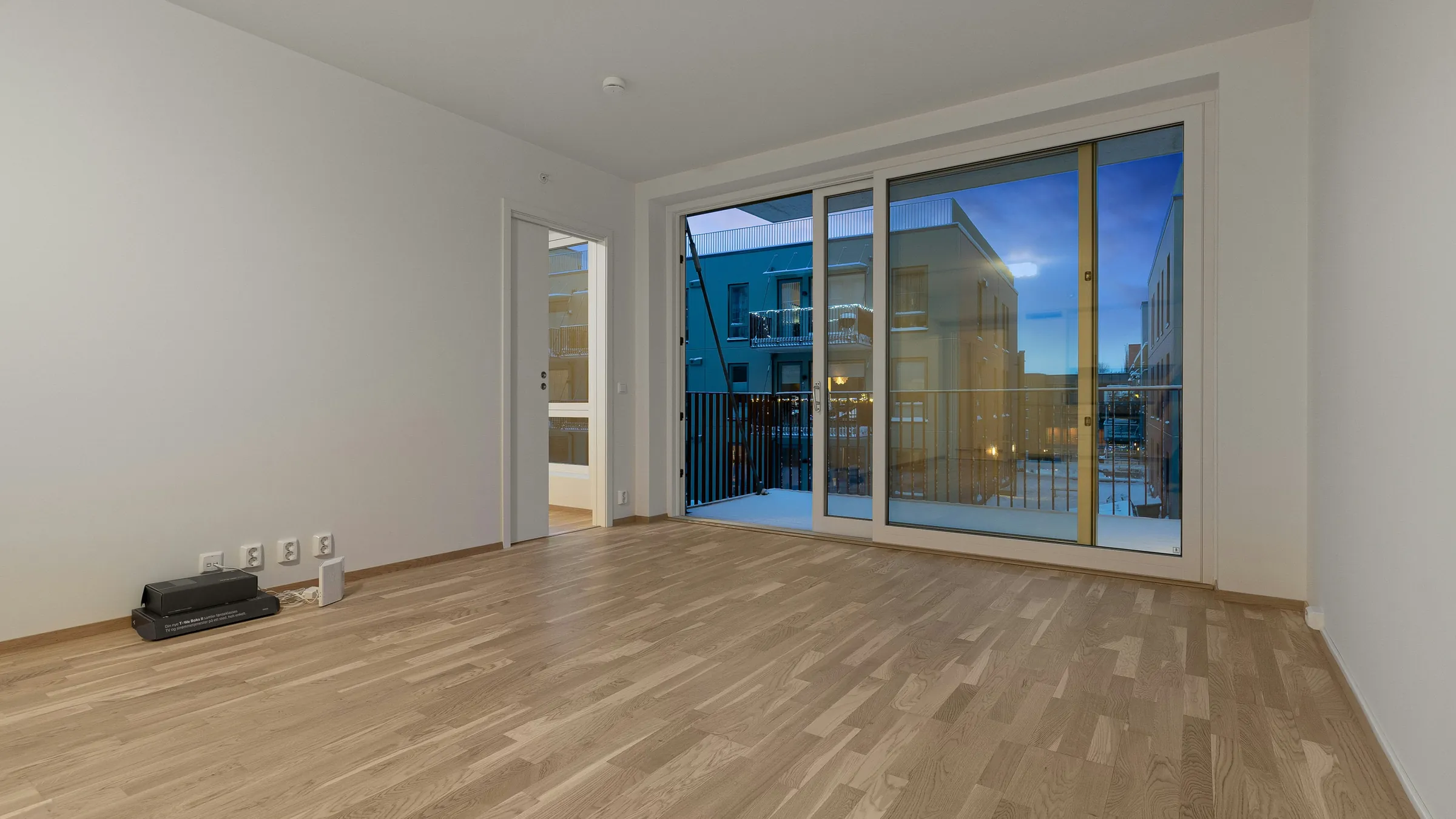
Want to live in Limoilou?
Our units for rent are on the site, with the availability date of each. Cléo books your showing at any time.
OwnersDo you own a building in this area?
Optimize your managementHistory
The history of Limoilou.
The key dates, then the story in four chapters.
1535
Jacques Cartier lands near the Rivière Saint-Charles
1847
Birth of the village of Hedleyville
1893
Founding of the municipality of Limoilou
1909
Annexation to the City of Québec
1931
25,795 residents
Chapter 01 · 1535 – 1626
In 1535, Jacques Cartier landed on the banks of the Rivière Saint-Charles, very close to present-day Limoilou. In 1626, the Notre-Dame-des-Anges seigneury was granted to the Jesuits, and the lands north of the river’s mouth became farms. This agricultural character lasted until the early 20th century.
Chapter 02 · 1845 – 1890
In 1847, lumber merchant William Hedley Anderson divided his land into lots to attract workers: this was the birth of the village of Hedleyville. Three other working-class villages followed: Stadacona, Parkville and New Waterford. Overcrowding in Québec City, cholera epidemics and the fires of 1845 pushed many families toward these villages. The Lavigueur bridge, in 1867, and the arrival of the railway, in 1890, helped them grow.
Chapter 03 · 1893
In 1893, after a fire ravaged part of Hedleyville, the villages joined together to form the municipality of Limoilou, named in honour of Jacques Cartier, sieur de Limoëlou. Since the territory was still mostly agricultural, developers drew inspiration from New York’s grid: streets running east to west, avenues north to south and brick residential buildings, often more than three storeys.
Chapter 04 · 1909 – 1931
Annexed to Québec City in 1909, Limoilou boomed: its population rose from 3,652 in 1911 to 25,795 in 1931. The neighbourhood then spread east, to Maizerets, and north, to Lairet. Today the original area is called “Vieux-Limoilou,” one of the densest in the city.
Frequently asked questions
Frequently asked questions about Limoilou.
Where the neighbourhood is, what you find there and how to find a unit.
01What are the main arteries of Limoilou?
1re Avenue, which crosses the neighbourhood from north to south, and 3e Avenue, its commercial artery. Boulevard Wilfrid-Hamel, Boulevard des Capucins and Chemin de la Canardière border or cross it.
02Is Limoilou a tenant neighbourhood?
Yes. At the 2016 census, 75.8% of Vieux-Limoilou residents were tenants.
03Where does the name Limoilou come from?
It honours Jacques Cartier, sieur de Limoëlou, the first European to set foot there. The municipality of Limoilou was created in 1893.
04How do I find an apartment for rent in Limoilou?
On our Rental Units page: type “Limoilou” in the search, and each unit shows its rent and availability date. Cléo books your visit at any time.
Other areas
Compare with another area.
A showing to schedule?
Cléo books your showing at any time.
A question about a unit, a showing to schedule: write to Cléo, it answers 24/7.